Zdzisław Beksiński is a famous Polish painter, sculptor, photographer and illustrator; the artist whose family has been associated with Sanok for many generations. Not many people know that for 10 years of his professional life, he was associated with AUTOSAN bus factory.

His great-grandfather, Mateusz, was one of the founders of the boilers workshop, which later became a wagon and bus factory. His grandfather, Władysław, was an urban architect and designer of numerous buildings in Sanok. His father, Stanislaw, worked in the construction department of Sanok municipality and his mother, Zofia, was a teacher.

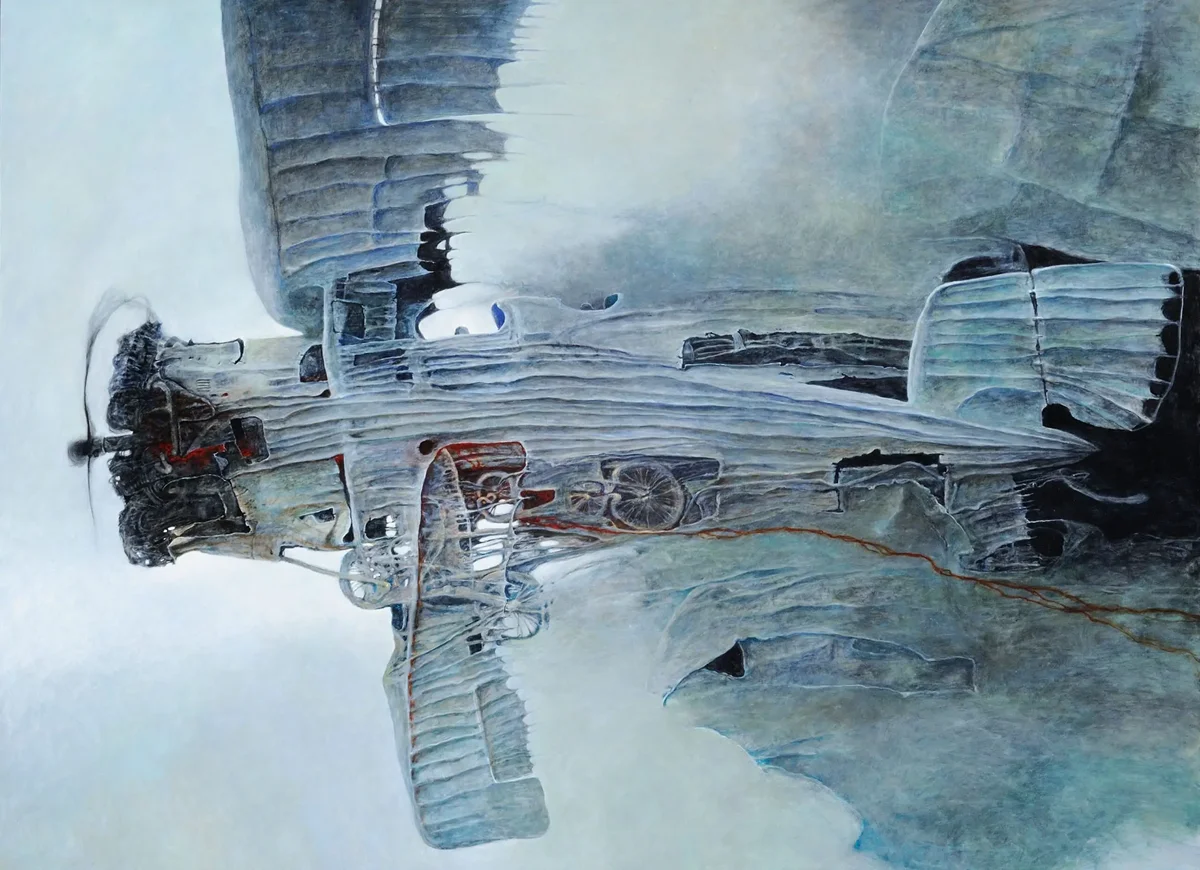
Zdzisław Beksinski’s unique work intrigued during his lifetime and continues to do so today, it has both ardent admirers and staunch opponents. It always evokes a wide range of emotions.
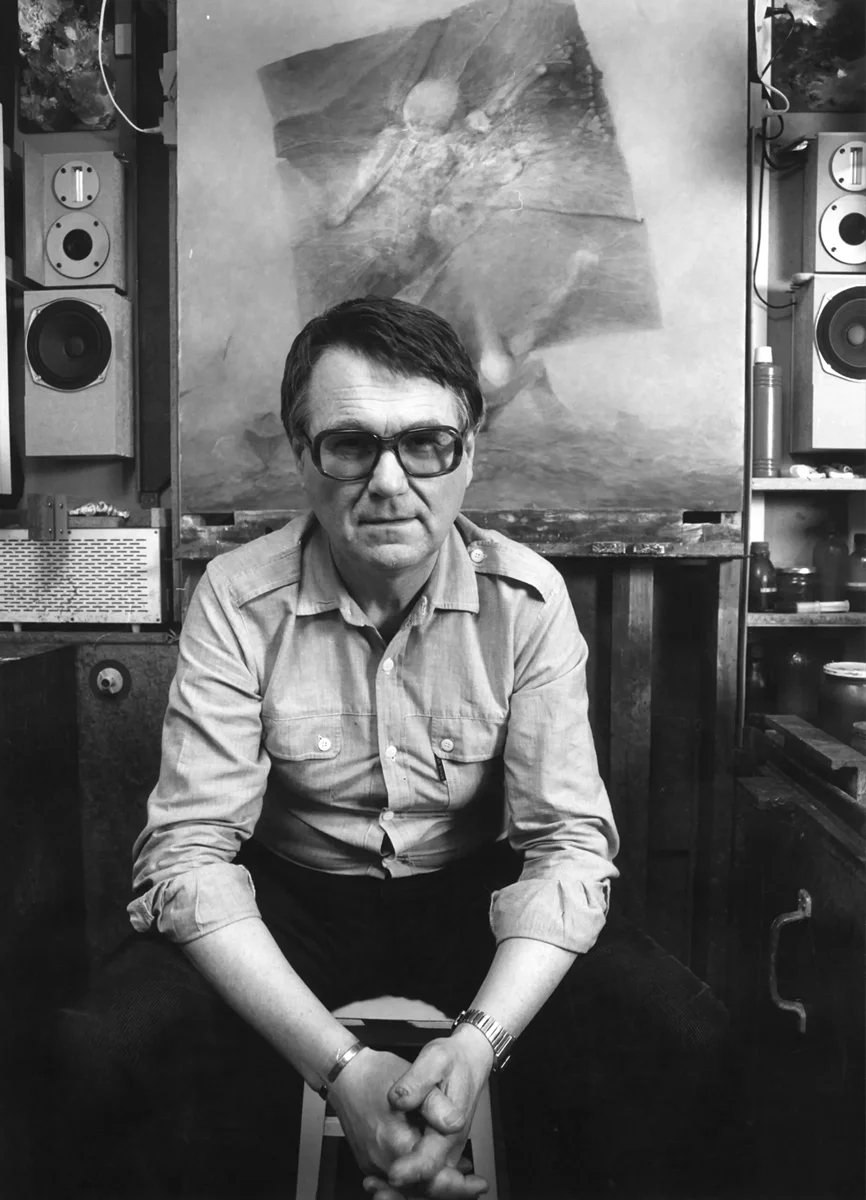
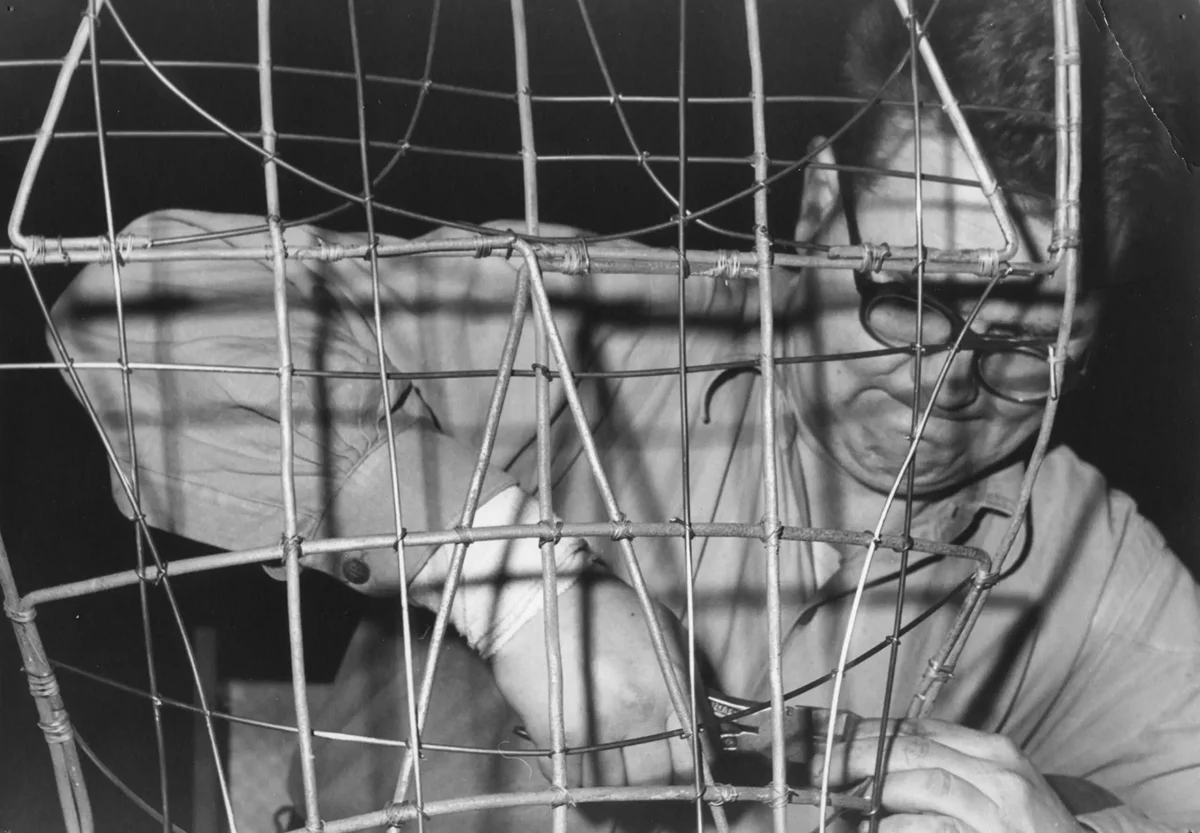
Zdzisław Beksiński

In his youth, Beksiński was accepted to the Academy of Fine Arts, but finally he chose architecture. In 1952, after graduating he started working in Cracow as foreman and construction supervisor. After a few years he decided to return to Sanok and was accepted into Sanok Wagon Factory.

During 6 years he created four bus projects which were far ahead of the times. So far that none of them won the approval of the members of Warsaw Motor Transport Assessment Committee members, who decided about the fate of so innovative designs. Unfortunately none of them was implemented for serial production.

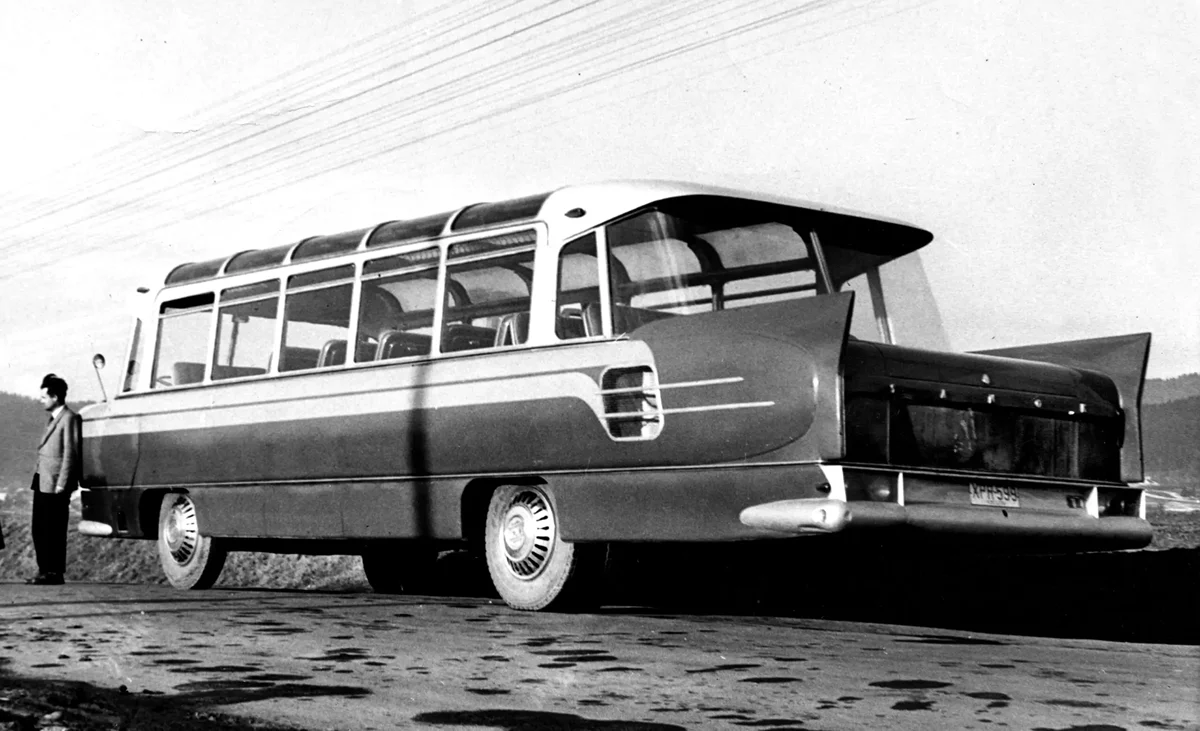
SFW–1 (1958) (from the Sanok Factory of Wagons name) was the first Polish tourist bus with rear engine. The prototype of the vehicle attracted sensation due to the bodywork styling, resembling an enlarged American road cruiser. It had large windows, partly glazed roof, characteristic tunnel air intakes on the rear to improve engine cooling. This “bus with wings” absolutely did not resemble those that moved on Polish roads.

Zdzisław Beksinski’s second project, the SFA-2 bus (1962) was different from the previous one, simple, without unnecessary embossings. It was very high and characterized itself by huge glazed surfaces and inclined windows pillars. SFA-2 was named “the aquarium” by the residents of Sanok.

The next bus with body designed by Beksinski was SFA-3 (1962), 10 m long, much bigger than the others produced in Sanok. The project included stylistic changes for SFA-2, recommended by the authorities: the inclined side pillars werer abandoned and more rounded shapes were used. In spite of this, the factory did not start serial production of this model either.

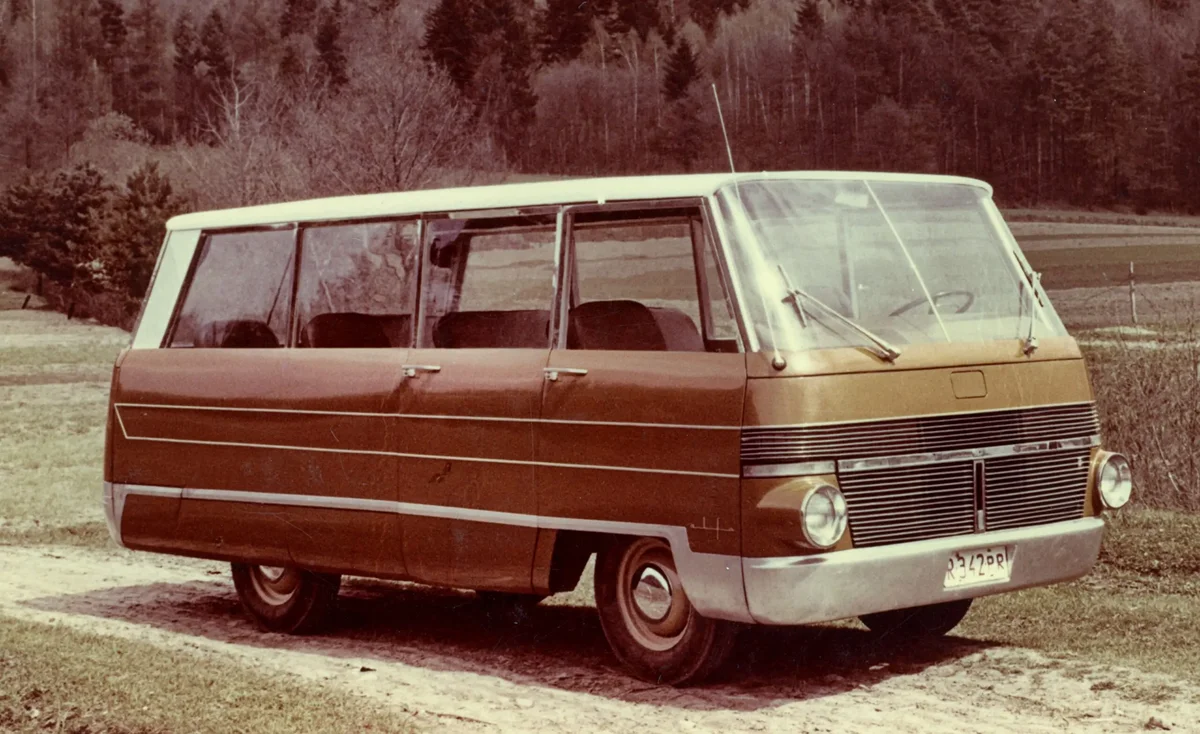
Beksiński took one more attempt and designed body shape for a minibus SFA-4 Alpha (1964), primarily intended for export. Its design was accepted and a trial series of 20 vehicles was produced in Sanok. Unlike the Nysa minibus produced in Poland at that time, it used self-supporting body. Modern design of body additionally contributed to the reduction of the weight. As before, the artist included large glazed surfaces in the body design. The Alpha minibuses, which were produced, had white roofs, and the bottom of each prototype was painted in different dark colour. Despite the fact that this time Sanok vehicles made a good impression in Warsaw, they did not enter mass production.

Up to date, no prototype of the vehicle designed by Beksiński has survived. While he was working at AUTOSAN many of his drawings and sketches ended up in factory trash bins. His co-workers, smile, but also with regret say: “If only we had known then …”. However, the first company logo designed by Beksiński remained and was used for several years.

After further failures, the artist left the Sanok Bus Factory AUTOSAN and moved with his family to Warsaw in 1977. In February 2005 he was brutally murdered in his apartment. It is hard to believe that the value of his life came down to robbed cameras and CDs.

Based on Zdzisław Beksiński will, all of his lifetime achievement, including his works, was donated to the Sanok Historical Museum, which has the world’s largest collection of the artist’s works. In 2012, the Zdzisław Beksiński Gallery was opened in the same Museum, in the Royal Castle in Sanok, where you can see, among other things, photographs and sketches of the AUTOSAN buses he designed.